
Policy and Advocacy: (Ages 18+)
Systems-change from the ground floor up 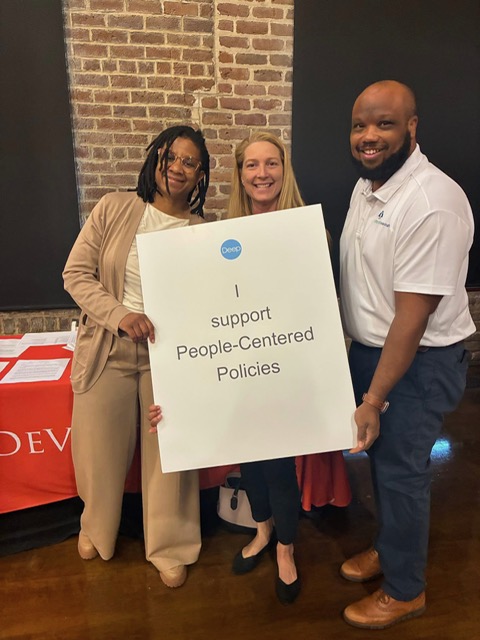
Deep Center Public Policy Overview
Our Aim
Our work is rooted in lifting up Savannah’s youth and families not only by directly supporting them through our programs, but by enhancing existing institutions and systems while addressing the barriers that limit their ability to thrive.
How We Got Here
In 2018, during a strategic planning session, it became clear that we could no longer, in good conscience, prepare our young people for the future without also confronting the systemic barriers they would face. We committed to a root-cause framework and began integrating legislative and administrative policy advocacy into our work.
Just a few years later, Deep Center has established a public policy wing that operates alongside our community organizing efforts. Our policy agenda is shaped by the voices of young people in our spaces, the lived experiences of families in our communities, and the day-to-day collaboration with partners and stakeholders across Savannah, Chatham County, and the state of Georgia.
Since 2022, we have:
- Published numerous policy briefs and memos.
- Worked directly with city and county task forces.
- Advocated at the state level.
- Provided nonpartisan policy development, technical assistance, and strategic support to elected officials, administrators, and think tanks across multiple levels of government.
Our Commitment
We are dedicated to advancing educational equity, juvenile justice reform, criminal legal reform, and equitable youth opportunities for all children and families across Georgia. We work to center students, families, and educators in education policy while also striving to create a political landscape that fosters justice, equity, and opportunity.
Our methods include:
- Coalition-building and collective action.
- Direct advocacy on the local and state level.
- Policy analysis and research.
- Development of policy briefs and explainer documents.
Policy Briefs
We’ve published over 15 policy briefs and countless memos, and we’ve consulted on legislation and administrative procedures to ensure that our laws and policies remain just and equitable. To see our policies, click through the policy and advocacy tab.
2026 Policy Brief
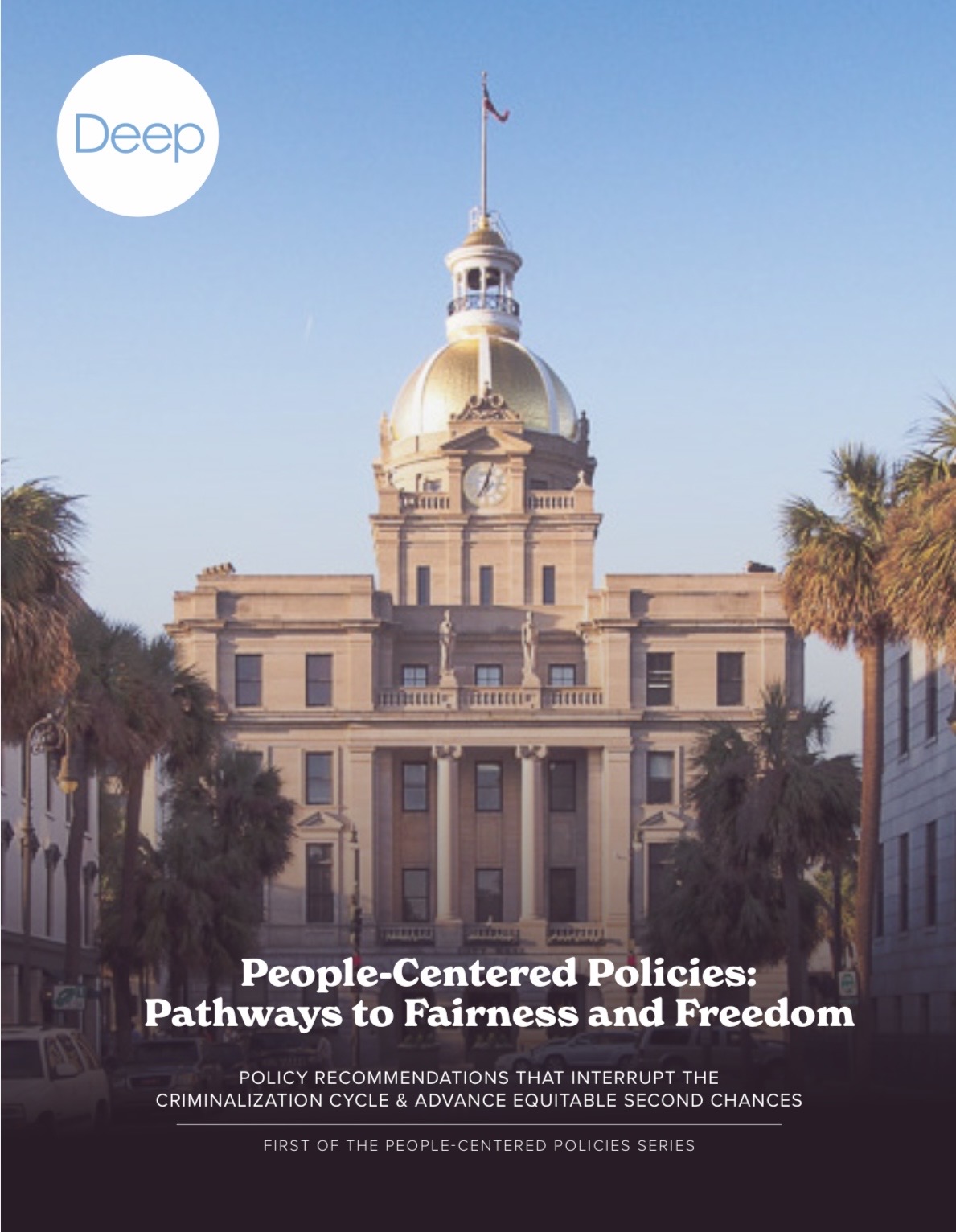
People-Centered Policies: Pathways to Fairness and Freedom
A people-centered policy approach grounds itself in the lived experiences of those most affected by social challenges, affirming human dignity and flourishing, not bureaucracy, efficiency, or institutional convenience. By prioritizing equity, it recognizes that Black and Brown communities face systemic barriers disproportionately that require intentional redress, designing solutions that expand opportunity rather than reinforce disparity. People-centered policymaking is inherently restorative; it seeks not only to prevent harm but to repair it, transforming systems from engines of punishment into pathways of fairness, accountability, and renewal. This approach elevates lived experience as expertise, complements it with evidence-based strategies, and uses data as a mirror reflecting real outcomes for social change. Ultimately, people-centered, restorative, evidence-informed policies create conditions where every person, especially those who have been historically excluded, criminalized, or marginalized, has the opportunity to thrive.
Learn more by reading our 2026 People-Centered Policy Brief.
Past Policy Priorities
- 2025 Policy Brief – New Hope City
- 2024 Policy Brief – Critical Hope
- 2023 Policy Brief – We Are Called to Be Brave
- 2021 Policy Brief – Bound Up to Each Other (1UP Digital)
- 2020 Policy Brief – Building a Restorative Community
- 2019 Youth-Powered Policy Recommendations
Additional Publications
- Off Paper, You Can Vote
- Juvenile Fines & Fees
- Cost Savings from Bail Reform
- Cash Bail Explainer
- The Problem Is the Problem
- June 2022 Bail Reform Presentation
- Georgia Legislative Overview (2022)
- Summary Report on Chatham County’s Supports and Barriers for Young People
- Rapid Responses, New Realities: Deep Center COVID-19 Policy Recommendations